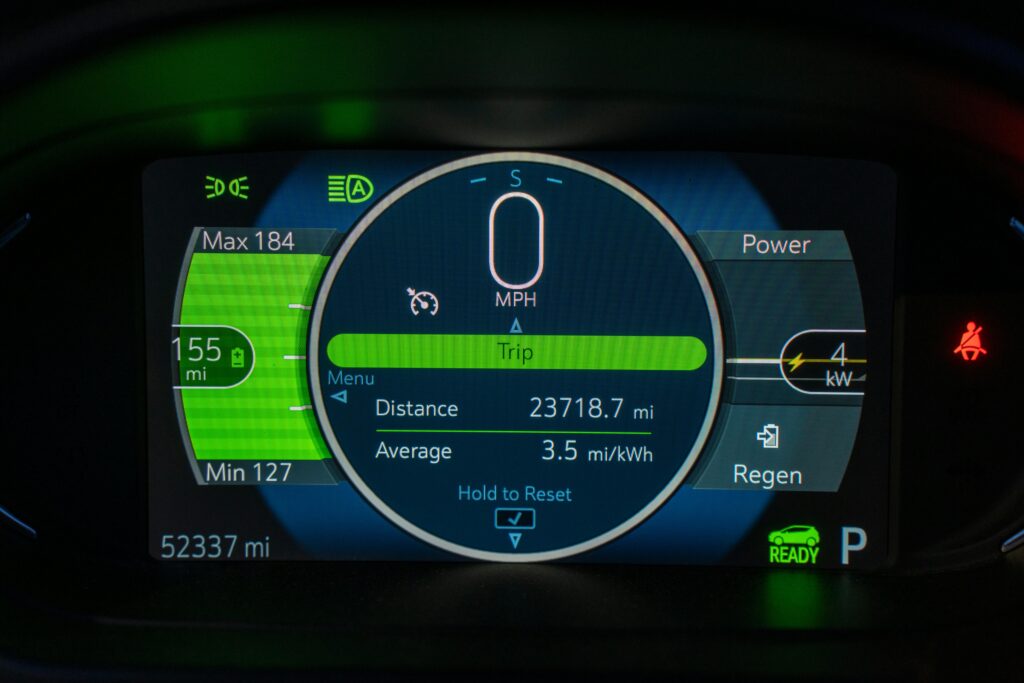
In 2026, buying a used EV is one of the smartest financial moves you can make—if you know what to look for.
Forget the odometer. The single most important factor is the State of Health (SoH) of the battery. Checking it takes about 60 seconds, and once you know how to do it, you eliminate almost all of the real risk.
This guide is written for normal buyers—not mechanics—and assumes zero technical background.
The 2026 Used Car Market: A Quiet Golden Age
If you’ve been browsing used car listings lately, you may have noticed something unusual: the market is flooded with 3- and 4-year-old electric vehicles.
The EVs purchased during the 2022–2023 “EV boom” are now coming off their leases. That means more supply, more choice, and—most importantly—lower prices.
But as you look at that sleek, affordable used EV, a familiar fear creeps in:
“What if the battery dies next month and costs me $15,000 to replace?”
It’s a valid concern. With a gas car, you check the odometer and listen for engine noises. With an EV, the drivetrain is silent—so it feels harder to judge what’s going on underneath.
The good news is that EVs give you something gas cars never did: a clear, measurable health indicator.
You just need to know one term.
Stop Looking at the “Range” Guess
When people test-drive a used EV, they usually glance at the dashboard, see the estimated range, and decide whether the battery is “good” or “bad” based on that number.
Don’t do this.
That number is often called the “Guess‑O‑Meter.” It changes constantly based on:
- Outside temperature (especially cold weather)
- Recent driving style
- Highway vs. city use
A low range estimate does not mean a bad battery.
What you actually want to know is the State of Health (SoH).
Jargon, Simplified: What “State of Health” Really Means
State of Health (SoH) is the battery’s true age, expressed as a percentage.
- A brand‑new EV starts at 100% SoH
- Over time, the battery slowly and predictably degrades
If a four‑year‑old EV has an SoH of 90%, that means it has lost only 10% of its original capacity. In battery terms, that’s aging very gracefully.
This slow degradation isn’t an accident. EV batteries are managed by sophisticated software that prevents extreme overcharging, deep discharging, and overheating—the exact conditions that destroy batteries quickly.
Used EV batteries don’t suddenly “die.” They fade slowly, like a smartphone battery.
The 60‑Second Used EV Battery Checklist
Before you sign any paperwork, you should check the battery’s State of Health. Here are three ways to do it, depending on how hands‑on you want to be.
Step 1: The Dashboard Check (Easiest)
Many EVs display battery health directly in the vehicle’s menus.
- Nissan Leaf: Look on the right side of the dashboard for the 12 battery health bars. A used Leaf with 11 or 12 bars is a great buy. Avoid anything with 8 bars or fewer.
- Tesla: Open the main screen, tap Service, and run a Battery Health Test.
- Ford / Hyundai / Kia: Battery capacity is often listed in the Vehicle Info or Energy menu.
If you can see the percentage here, you’re done.
Step 2: The “Dongle” Check (The Pro Method)
If the seller says, “I don’t know the battery health,” don’t panic—you can check it yourself.
Buy a generic OBD‑II Bluetooth dongle (about $20 online). Plug it into the diagnostic port under the steering wheel—the same port mechanics use on gas cars.
Pair it with a free smartphone app like Car Scanner, and within seconds your phone will display the exact State of Health percentage.
If a dealer refuses to allow a simple battery health check, that’s information in itself.
Step 3: The Ultimate Safety Net: The Battery Warranty
Here’s the part many buyers overlook:
In North America, EV batteries are legally required to carry a minimum 8‑year / 160,000 km (100,000 mile) warranty.
Most manufacturers also guarantee that the battery will retain at least 70% capacity during that period. If it drops below that threshold, the battery is repaired or replaced at no cost.
That means a 2022 EV purchased in 2026 still has roughly four years of factory battery coverage remaining.
This warranty dramatically limits downside risk for used EV buyers.
The Battery Health Cheat Sheet (Screenshot This)
Use this quick guide when you’re standing on the lot.
| Feature | Green Flag (Buy It) | Red Flag (Walk Away) |
|---|---|---|
| Battery Health (SoH) | 85% or higher (normal for a 3–5 year‑old EV) | Under 75% (likely abused or heavily fast‑charged) |
| Warranty | 2+ years of factory battery warranty left | Out of warranty or near the limit |
| Charging Port | Clean, dry, undamaged | Melted plastic, charring, or burnt smell |
| Charging History (Ask) | Mostly home or overnight charging | “Fast‑charged all the time” |
| Tires | Even wear, good tread | Bald edges (EVs are heavy and stress tires) |
The Bottom Line
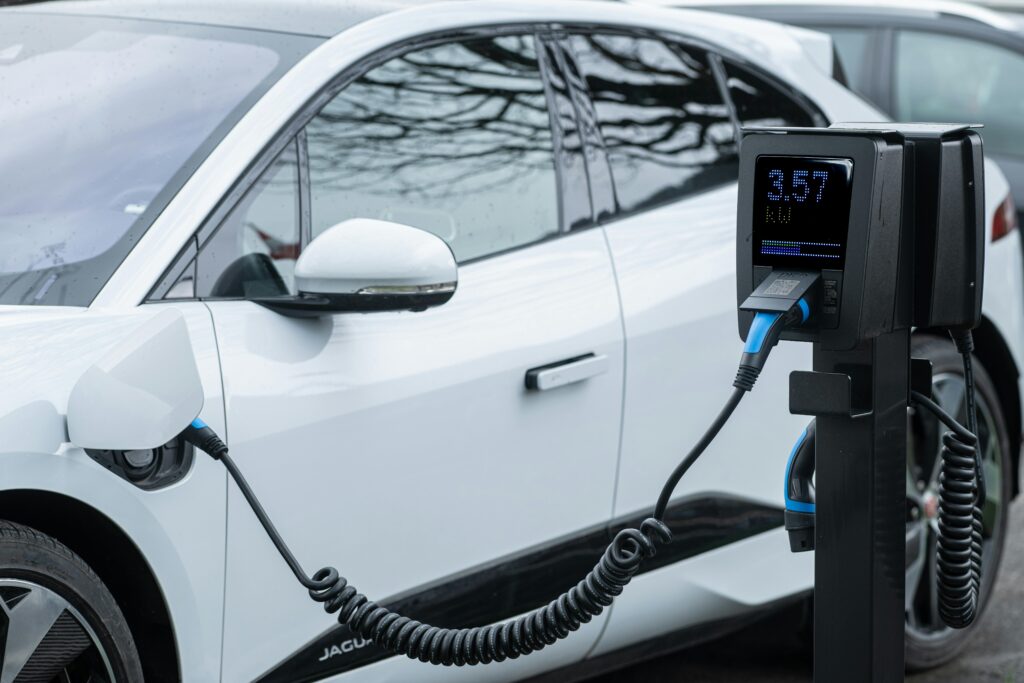
Used EV batteries don’t fail suddenly. They degrade slowly and predictably.
If you find a four‑year‑old EV with 90% State of Health, you’re not just buying a good deal—you’re likely buying a car with many years of useful life left.
Don’t let fear of the unknown stop you from saving thousands of dollars. Check the battery health, verify the warranty, look at the tires, and buy with confidence.
Let’s Chat
Are you looking at a specific used EV right now—a Chevy Bolt, a Model 3, a Hyundai Kona?
Drop the year and mileage in the comments, and I’ll tell you exactly what battery health percentage you should be aiming for.
Next post: The $12,000 EV: Why China Is Changing Your Next Car Purchase (Even If You Don’t Buy One)
Pingback: 4. Which EV Should You Buy First? A Calm Buyer’s Guide for Normal People - Clarified Understanding