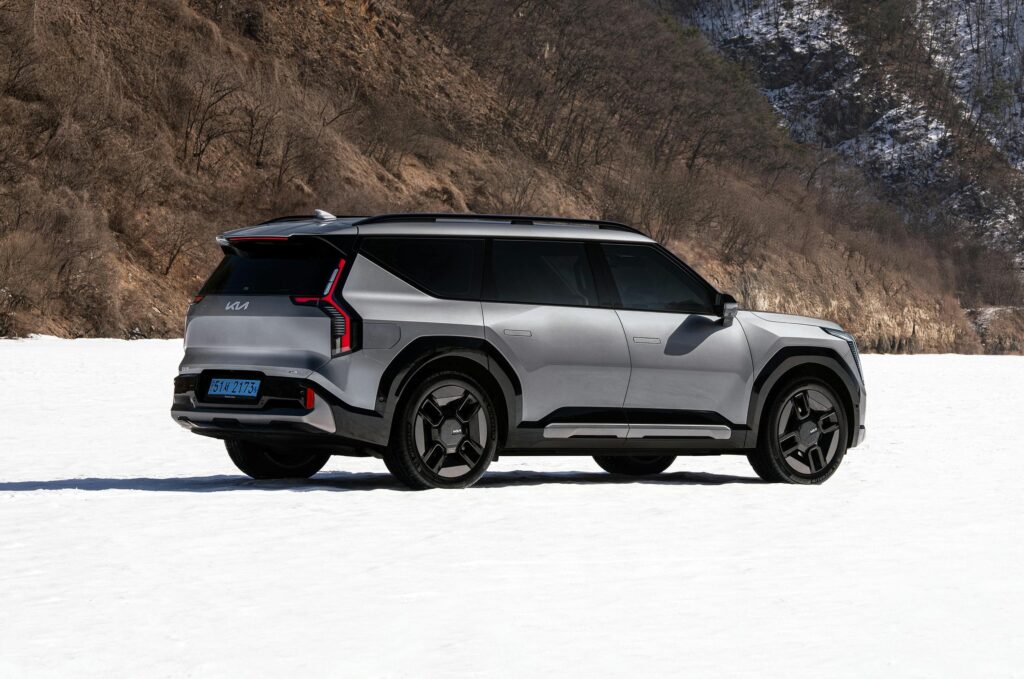
In 2026, we’ve moved past the “Will it start?” fear—because EVs are actually the most reliable cold-weather starters on the road. The real challenge is Range Preservation. Between the cold air and the cabin heater, you can expect to lose about 20–30% of your range on freezing days — before you use the tricks below. But with three simple 2026 habits, you can reclaim most of those miles and never shiver in your seat again.
The “Science” of the Shiver
Why do EVs lose range in the winter? It’s not just one thing; it’s a double whammy:
- Chemical Laziness: Battery ions move slower in the cold (just like humans do).
- The Heater: Unlike gas cars, which use “waste heat” from the engine to warm you up, an EV has to create every degree of heat from its own battery.[1]
By early 2026, manufacturers have gotten much better at fighting this, but you still need to know how to play the game. At extreme temperatures (-25°C and below), losses can be higher — but the same habits still apply.
Habit 1: The “Scheduled Departure” (Your Best Friend)
This is the single most important habit for a winter EV owner. Most cars now have an app feature called Scheduled Departure or Pre-Conditioning.
- How it works: You tell the app you’re leaving at 7:30 AM. While the car is still plugged in, it uses electricity from your house—not your battery—to toast the cabin and warm the battery.[2]
- The 2026 Win: You walk out to a car with 72-degree seats and a “warm” battery that is ready to drive at full efficiency. Bonus: It also melts the ice off your windshield so you don’t have to scrape.
Habit 2: The “Buns over Air” Trick
Heating the air inside a car is incredibly energy-intensive. Heating a surface (like your seat or steering wheel) is much more efficient.[2][3]
- The Pro Tip: Instead of blasting the cabin heater at 75°F, turn it down to 68°F and use your heated seats and steering wheel.
- The Math: You’ll stay just as warm, but you could save 10–15% of your battery life over a long drive.
Habit 3: The “Heat Pump” Check
If you are buying an EV in 2026, look for a Heat Pump on the spec sheet.
- What it is: It’s basically an air conditioner that works in reverse. It “pulls” heat from the outside air (even when it’s cold!) and moves it inside.[4]
- Why it matters: Heat pumps are roughly 3 times more efficient than old-school heaters.[1][3] In 2026, most mid-to-high-end EVs have them, but some budget models still don’t. It’s the #1 winter upgrade worth paying for.
Charging in the Cold: The 20-Minute Rule
If you need to use a DC Fast Charger on a cold day, your car might charge slower than usual because the battery is “shivering.”
- The Fix: Use the car’s built-in navigation to find the charger. By 2026, most cars will automatically “pre-warm” the battery as you drive toward the station.
- The Result: If you give the car 20 minutes to “prep,” you’ll get your full charging speed the moment you plug in.
Your Winter “Range Cheat Sheet”
| Impact on Range | Best Practice | |
|---|---|---|
| Pre-Conditioning | +15% to 20% | Always do this while plugged in before you leave.[3] |
| Heated Seats | +5% | Use these instead of maxing out the cabin air. |
| Winter Tires | -3% to 5% | Essential for safety! The small range loss is worth it. This is a safety choice first, an efficiency tradeoff second. |
| Eco Mode | +5% | Softens acceleration to prevent wheel spin on ice. |
Jargon, Simplified: “Winter Mode”
Some cars have a specific toggle in the menu called Winter Mode.
This usually does two things: it keeps the battery slightly warmer while parked and limits “Regenerative Braking” so you don’t accidentally skid on black ice. If it’s below freezing, turn it on.
The Bottom Line
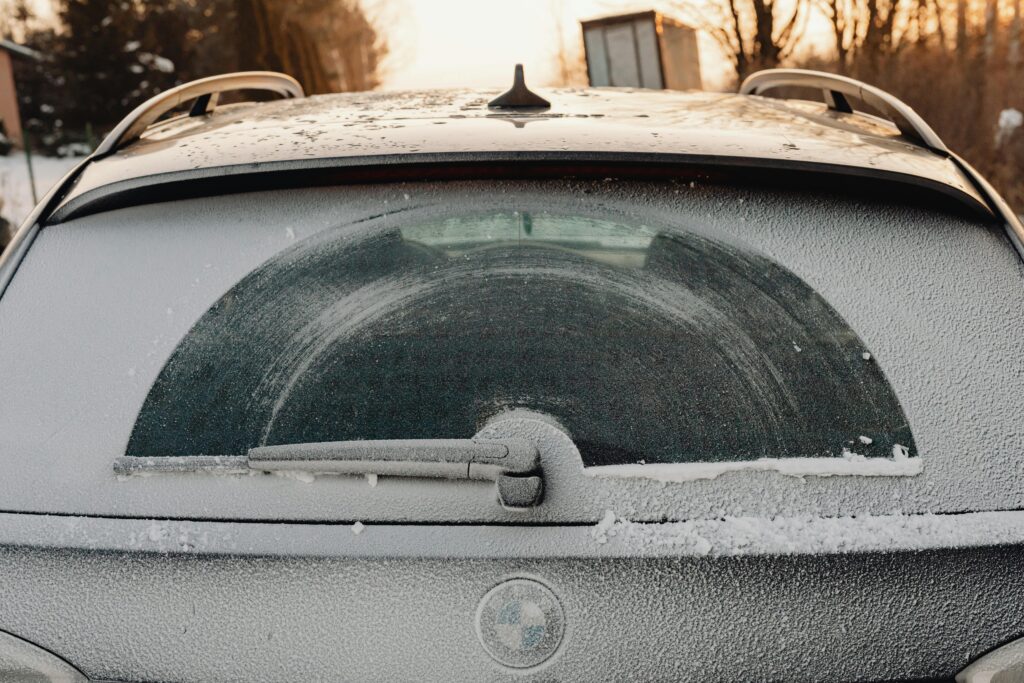
Winter isn’t the “EV Killer” that the headlines claim. It’s just a different setting on the dial. If you pre-condition while plugged in and use your heated seats, you’ll find that an EV is actually the most comfortable winter car you’ve ever owned. No waiting for the engine to warm up, no scraping ice, and no shivering in the driveway.
💬 Let’s Chat
How cold does it get where you live? Are you worried about a specific scenario, like “What if I get stuck in a 5-hour snow traffic jam?”
Leave a comment with your “Winter Worst-Case Scenario,” and I’ll explain how an EV handles it!
Pingback: 8. The Plug Revolution: A Simple Guide to the Chargers You’ll Actually Use - Clarified Understanding