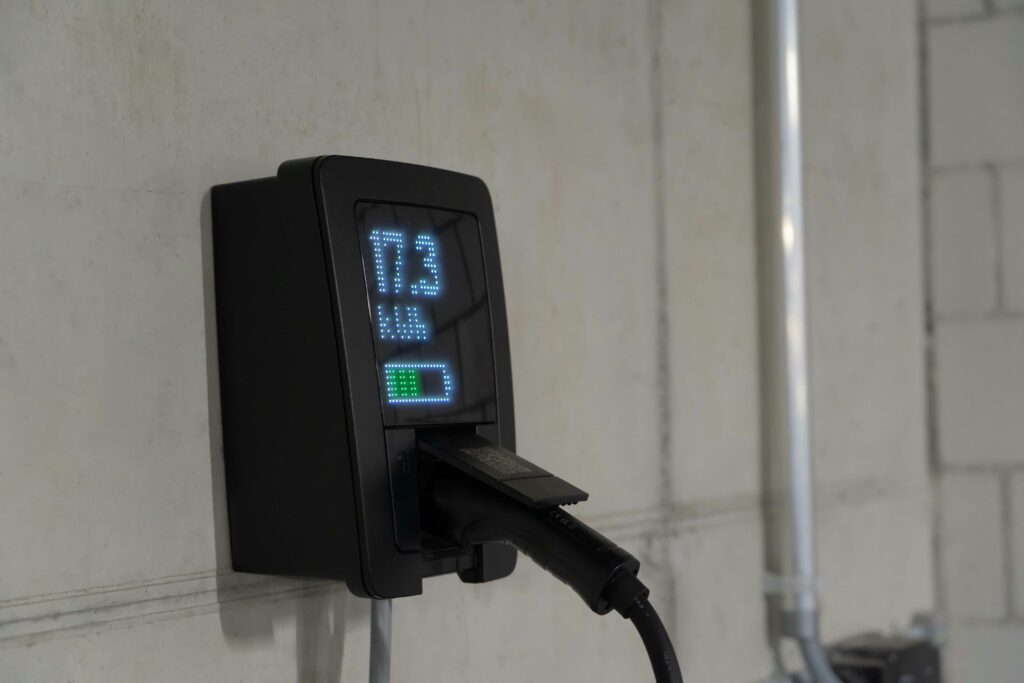
In 2026, charging your car is finally as easy as charging your phone. The industry has settled on a single universal plug (NACS), but you’ll still see older chargers and different charging speeds for a while. Understanding the difference isn’t about physics or electrical engineering—it’s about knowing which “hose” fits your daily routine.
Once you get that, charging stops being confusing and starts being boring. And boring is good.
The End of the “Plug Wars”
Remember when every phone had a different charger? USB-A, Micro-USB, Lightning—drawers full of cables that almost worked.
That’s exactly what just happened with electric cars.
By 2026, North America has officially moved to NACS (North American Charging Standard)—the small, sleek plug originally designed by Tesla. Today, whether you buy a Ford, GM, Hyundai, Rivian, or Tesla, they all use the same universal plug.
This is not a Tesla-only thing anymore. Even if you never plan to buy a Tesla, NACS is now the standard across the industry.
Because cars last a long time, you’ll still see older plugs around:
- CCS on earlier EVs
- CHAdeMO on older Nissan Leafs
Think of them like old headphone jacks. They still exist—but the future is settled.
The Three Charging Speeds: Garden Hose vs. Fire Hose
You don’t need to memorize volts, amps, or electrical terms. Just remember how fast the water flows.
Level 1: The “Drip” (Standard Wall Outlet)
Analogy: A leaky garden hose
Speed: Adds about 3–5 miles of range per hour
Best for:
- Emergency use
- Very low-mileage drivers
If you plug in for 12 hours overnight, you’ll wake up with roughly 40 miles of range. Slow—but sometimes enough.
Level 2: The “Standard” (Home & Public Chargers)
Analogy: A high-pressure kitchen faucet
Speed: Adds about 25–35 miles of range per hour
Best for:
- Home charging
- Workplace charging
- Grocery stores, gyms, movie theaters
This is the charger you’ll use about 90% of the time. It’s fast enough to fully recharge overnight and perfect for “errand top-ups” while you live your life.
Many Level 2 stations have two cables:
- One NACS
- One older J1772
That’s normal—and your car will tell you which one to use.
DC Fast Charging: The “Fire Hose” (Highway Chargers)
Analogy: A professional fire hose
Speed: Adds 150+ miles in ~20 minutes
Best for:
- Road trips
- Long travel days
In 2026, these are often labeled “Fast” or “Ultra-Fast” (150–350 kW). They’re amazing—but they’re not something you’ll use every day.
What Charging Actually Looks Like in Your First Week
Here’s the part nobody tells you:
- You’ll probably charge at home or work
- You’ll top up once while grocery shopping
- You will not use a fast charger
- And that’s completely normal
Fast chargers are like airport bathrooms: important, useful, and rarely part of your daily routine.
The “Bilingual” Car: Adapters
If you buy a used EV from 2022 or earlier and it has an older CCS port, don’t panic.
Most owners simply carry a small adapter—a 5-inch piece of plastic that lets an older car use newer NACS chargers (or vice versa). That’s it. No cables. No setup.
Pro Tip:
If you’re buying a used EV, ask if the seller includes the Tesla/NACS adapter. It’s about a $150 value and makes public charging much easier.
2026’s Best Upgrade: Plug & Charge
The best part of modern charging? You don’t need a wallet.
With Plug & Charge, you:
- Pull up
- Plug in
- Walk away
The charger recognizes your car and bills your account automatically. No apps. No screens. No tapping cards. It’s actually simpler than paying at a gas pump.
The 2026 Plug Cheat Sheet
| Plug Name | What It Looks Like | Status in 2026 |
|---|---|---|
| NACS | Small, sleek, one button | The standard. Works everywhere. |
| CCS1 | Large, bulky, two-piece | Legacy. Mostly older cars |
| CHAdeMO | Large and round | Retiring. Older Nissan Leafs |
| J1772 | Round with 5 pins | Slow charging (Level 2) |
Jargon, Simplified: “kW” (Kilowatts)
At a gas pump, you look at octane.
At a charger, you look at kW.
- Low kW (7–11): Slow, steady, overnight
- High kW (150–350): Fast, road-trip charging
Easy rule: Bigger number = faster charge.
Cost Comparison
In 2026, most networks have finally moved away from confusing “per minute” billing to per kWh billing (paying for the actual energy you get).
- Home: ~0.16–0.16–0.18 per kWh. (The cheapest “restaurant” in town).
- Public Level 2: ~$0.25 per kWh. (Convenient, but slightly marked up).
- DC Fast Charging: ~0.45–0.45–0.60 per kWh. (The premium “highway” price).
- Pro Tip: Mention “Idle Fees” again here. Remind them that parking at a charger after it’s full is like staying at a restaurant table for three hours after you finished your meal—it’s going to cost you!
The Bottom Line
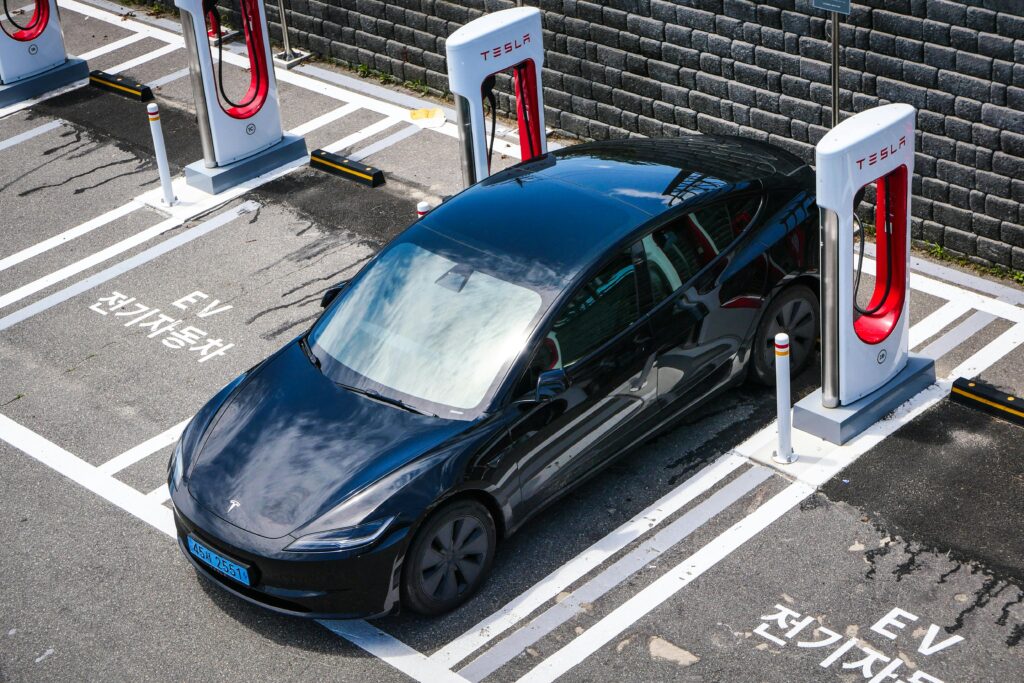
Don’t let plugs scare you.
Within a week of owning an EV, you’ll recognize them as easily as USB-C versus Lightning cables. In 2026, the car does the hard work for you—it tells you which charger to use, how fast it will be, and whether it’s worth stopping.
Charging isn’t a technical skill anymore. It’s just part of parking.
Next Post: The Winter Survival Guide: How to Keep Your Range (and Your Toes) Warm
Pingback: 7. No Garage? No Problem: How to Own an EV While Living in an Apartment - Clarified Understanding