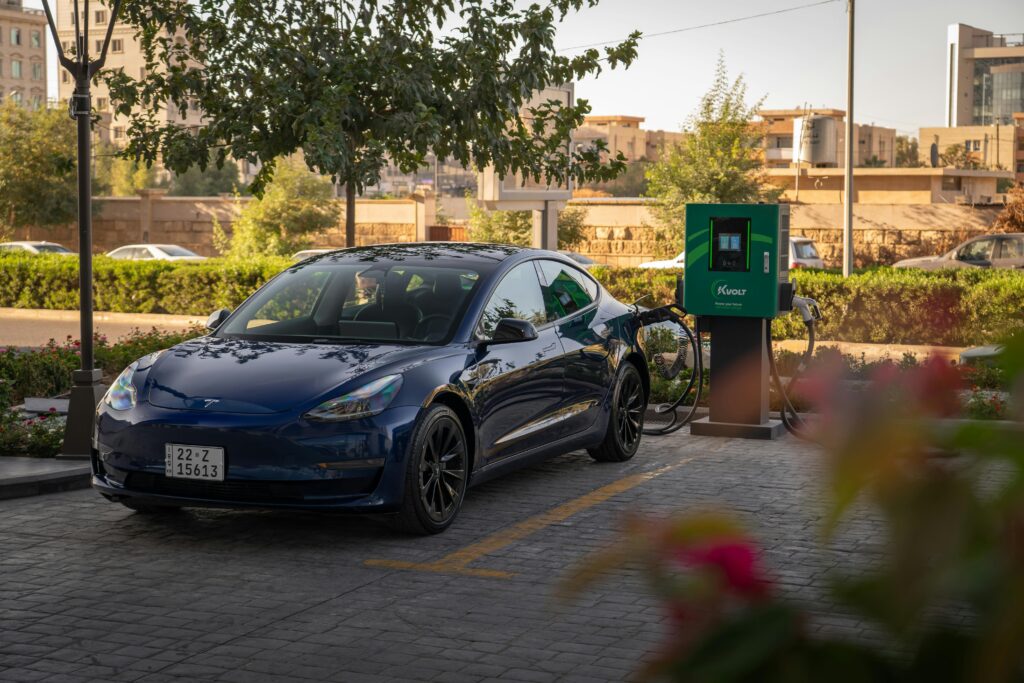
In 2026, the sticker price of an electric car and a comparable gas car is finally almost the same.
But the real math doesn’t happen at the dealership—it happens after you drive off the lot.
While EV owners save thousands on fuel and routine maintenance, they may pay slightly more for insurance and tires. Is it cheaper overall? For roughly 90% of drivers, the answer is yes—but only if you look at the Total Cost of Ownership, not just the monthly payment.
Exact numbers vary by region and driving habits, but the relationship between these costs is remarkably consistent.
Moving Past the Sticker Price
Back in 2020, buying an EV often felt like paying a “green tax.” You paid thousands more upfront just to avoid using gasoline.
By 2026, that gap has largely closed. Thanks to better manufacturing and cheaper batteries, many EVs now cost about the same as their gas counterparts.
But the sticker price is only the opening act.
To understand the real cost of owning a car, we need to look at three buckets of spending:
- Fuel (or energy)
- Maintenance
- The hidden tradeoffs people don’t talk about
1. Fuel: The “Invisible Paycheck”
This is where EVs win decisively.
Even with 2026 electricity rates, driving on electrons is significantly cheaper than driving on gasoline.
The 100‑Mile Test (On Average)
- Gas SUV: roughly $14–$16 to drive 100 miles
- Electric SUV (home charging): roughly $4–$6 to drive 100 miles
That gap doesn’t feel dramatic day to day—but it compounds quietly.
The Annual Effect
If you drive about 12,000 miles per year, switching to electricity can feel like giving yourself a $1,000–$1,200 annual raise, simply by changing what powers your car.
That’s why many EV owners say the savings feel “invisible.” Nothing flashy happens—you just stop bleeding money at the pump.
Apartment note: If you rely mostly on public fast charging, your fuel savings shrink—but they usually don’t disappear. Home charging is the secret sauce, but public charging still tends to undercut gasoline over time.
2. Maintenance: The “Zero” List
A gas engine is a machine built around friction and heat. Friction demands oil, filters, belts, and constant service.
An EV removes most of that equation.
The “Never Again” List
- Oil changes: $0
- Spark plugs: $0
- Exhaust systems: $0
- Timing belts: $0
- Transmission fluid: $0
The Brake Bonus
EVs use regenerative braking, meaning the motor slows the car and recaptures energy before the brake pads engage.
In 2026, many EV owners are reaching 100,000 miles on their original brake pads. That’s not a marketing claim—it’s a byproduct of how the car works.
3. The “Catch”: Tires and Insurance
To be truly clear and honest, there are areas where EV ownership can cost more.
Tires
EVs are heavier because of their batteries, and they deliver instant torque.
The result? Tires can wear about 15–20% faster—especially if you buy cheap ones.
Good tires last. Bargain tires disappear.
Insurance
In 2026, EV insurance premiums are often 10–15% higher.
Why?
- Advanced sensors
- Expensive battery protection systems
- Higher repair costs in serious accidents
This doesn’t erase fuel savings—but it does matter in the full equation.
The 5‑Year Comparison (The Honest Breakdown)
Here’s what a typical five-year ownership window looks like for a mid‑size SUV in 2026.
| Expense Category | Gas SUV (Average) | Electric SUV (Average) |
|---|---|---|
| Fuel / Energy | $7,500 | $2,250 |
| Scheduled Maintenance | $1,800 | $400 |
| Tire Replacement | $800 | $1,100 |
| Insurance | $6,000 | $6,800 |
| TOTAL SPENT | $16,100 | $10,550 |
The Result
Over five years, the average driver saves about $5,500 by going electric.
And the more you drive, the wider that gap becomes.
Jargon, Simplified: TCO (Total Cost of Ownership)
You’ll hear financial experts talk about TCO.
Ignore the jargon.
TCO simply means:
“How much money will actually leave my bank account because of this car?”
In 2026, even when insurance and tires are factored in, the total cost of owning an EV is usually lower than a gas car—even if the monthly payment looks similar.
Yearly Maintenance Checklist
How often to visit the shop?
- Every 7,500 miles (12,000 km): This is the standard “Check-up.” It’s basically just a tire rotation and a safety inspection (brakes, suspension, fluids).
- The Difference: In a gas car, this visit usually includes an oil change and costs $150. In an EV, it’s often
30–30–50.
The “DIY” List (Maintenance you can do in your driveway):
- Windshield Washer Fluid: Exactly the same as a gas car.
- Wiper Blades: EVs use standard blades. No “special tech” required.
- Cabin Air Filter: This is a 5-minute job in most EVs. Show your readers a picture of where it is (usually behind the glovebox).
- Tire Pressure: Crucial! Because EVs are heavy, keeping tires at the right PSI saves you money on range and tire wear.
The Bottom Line
So—is an EV cheaper?
- If you drive a lot: Yes. Mileage accelerates savings.
- If you can charge at home: Yes. Home charging unlocks the biggest advantage.
- If you drive very little: Maybe not. Low mileage can neutralize fuel savings.
For the average 2026 commuter, the math has moved past “experimental” and into common sense.
You’re not just buying a car.
You’re quietly firing your local gas station.
💬 Let’s Chat Does the math work where you live? Gas and electricity prices vary by region.
If you want, share your general location and driving habits in the comments, and I’ll help you sanity‑check the numbers.
Next Post: Which EV Should You Buy First? A calm buyer’s guide for normal people.
Pingback: 2. Will It Explode? Will It Die in the Cold? The 3 Scariest EV Myths, Debunked - Clarified Understanding