If you only read social media headlines, you’d think electric vehicles were fire-prone ice cubes that are about to collapse the national power grid.
By 2026, we have enough real-world data to move past the scary stories. When you look at the actual math, the fears around EV ownership aren’t just exaggerated—they’re often less risky than the gas cars we’ve driven for over a century.
Fear is loud. Math is quiet.
The “Fear Factor”
Every major technology shift comes with doomsday predictions. In the early 1900s, people were genuinely afraid that gasoline cars—machines carrying tanks of flammable liquid—would explode on city streets.
Today, electric vehicles play the same role in our collective imagination.
Let’s look at the three biggest EV fears people still have in 2026—and what the data actually says.
Myth #1: “EVs Are Fire Hazards”
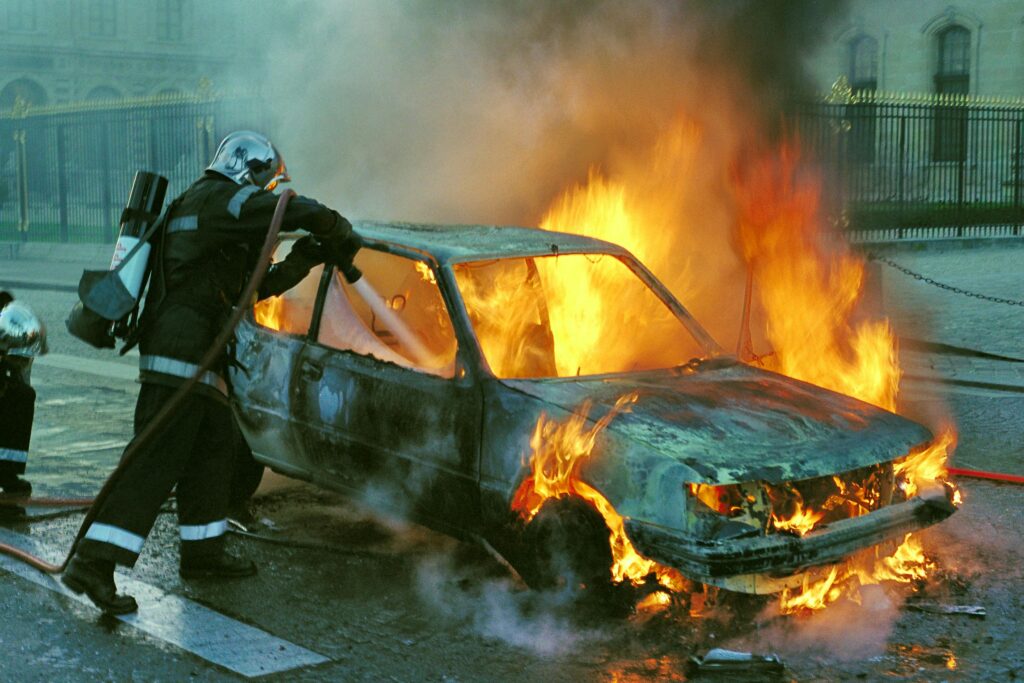
We’ve all seen the dramatic viral videos: a car engulfed in flames on the side of a highway. Because EV fires are newer and unfamiliar, they tend to dominate the news cycle.
The Reality
Gasoline vehicles are far more likely to catch fire than electric vehicles.
Think about what a gas car really is: a machine that creates thousands of tiny controlled explosions every minute, while carrying 10–15 gallons of highly flammable fuel.
Insurance and fire incident data consistently show that gas-powered vehicles are dozens of times more likely to catch fire than EVs. EV fires do happen—but they are statistically rare.
While EV fires are much rarer, they can be harder for fire departments to put out. That’s why the industry has shifted to ‘Cell-to-Pack’ designs in 2026 that make these rare events even less likely to spread.
The Bottom Line
You are far more likely to experience a vehicle fire sitting on top of a tank of gasoline than on top of a sealed battery pack.
Myth #2: “EVs Are Useless in the Cold”
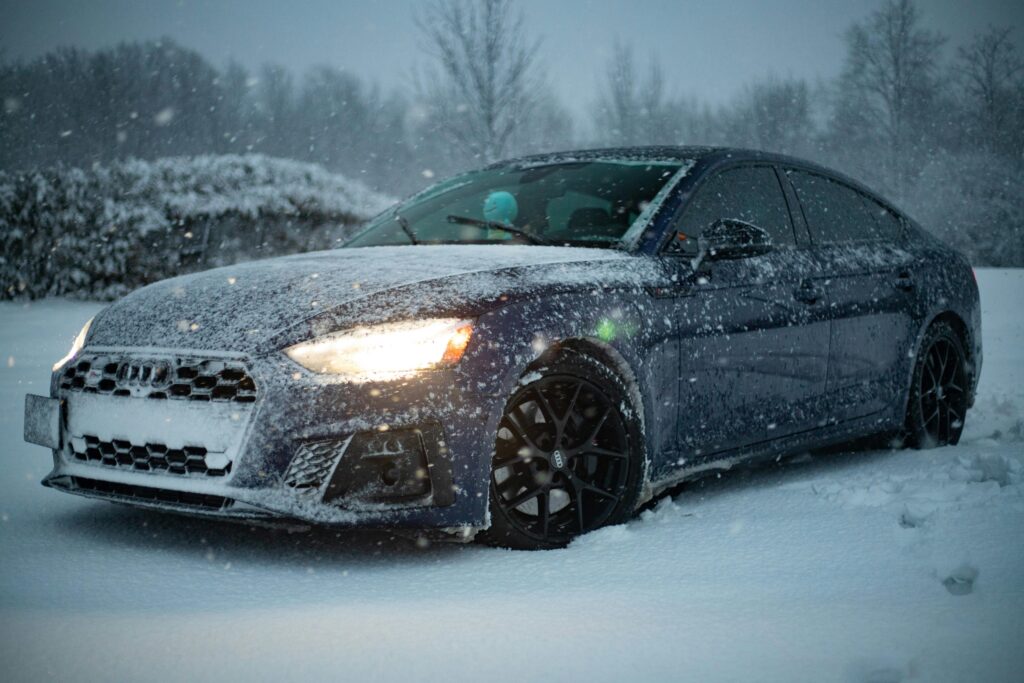
This fear is especially strong in northern climates. The idea that winter weather will instantly strand an EV driver is deeply ingrained.
The Reality
Cold weather does reduce EV range—but EVs are often more reliable starters than gas cars in winter.
What Actually Happens
In freezing temperatures, most EVs lose about 20–30% of their range. This happens because energy is used to:
- Heat the cabin
- Keep the battery at an efficient operating temperature
Gas cars lose efficiency in the cold too—we just don’t see it as clearly.
The Secret Weapon: Pre‑Conditioning
By 2026, virtually every EV includes Scheduled Departure or pre‑conditioning.
While the car is still plugged in—at home, work, or a public charger—it uses grid power to:
- Warm the battery
- Defrost windows
- Heat the cabin
You step into a comfortable car that starts instantly, without stressing a frozen engine or waiting for heat to kick in.
The Practical Takeaway
EV drivers simply plan winter trips assuming reduced range—just like gas drivers plan around fuel stops. Once you account for it, winter driving becomes predictable, not risky.
Myth #3: “The Power Grid Can’t Handle EVs”
The fear here is simple: if everyone plugs in at 6:00 PM, the lights go out.
The Reality
An EV is essentially a large household appliance, not a grid-destroying monster.
A typical EV draws about the same power as a central air conditioner or an electric dryer.
Why the Grid Doesn’t Collapse
- Timing matters: Most EV charging happens at night, when electricity demand is lowest.
- Smart charging: By 2026, utilities widely use smart charging programs. You plug in at 6:00 PM, but the car waits until 10–11:00 PM to draw power—when the grid is underused and electricity is cheapest.
- Scalable growth: Even if half the cars on the road were electric, total electricity demand would rise by roughly 10–15%—a level utilities are already designed to manage through gradual upgrades.
The real risk isn’t EVs—it’s unmanaged charging. When charging is smart, EVs become part of the solution, not the problem.
The Pattern Behind the Fear
Notice the common thread in every myth: each one assumes EVs behave like gas cars.
They don’t.
EVs are software-managed, thermally controlled, and increasingly integrated into the power grid in ways gas vehicles never were.
Fear vs. Fact: Screenshot This
| The Myth | The Scary Headline | The 2026 Reality |
|---|---|---|
| Fires | “EVs are rolling fireballs” | Gas cars are dozens of times more likely to catch fire |
| Winter | “You’ll be stranded in the snow” | Range drops, but EVs start instantly every time |
| The Grid | “EVs will cause blackouts” | Most charging happens at night when demand is low |
| Batteries | “They end up in landfills” | 95%+ of battery materials are recycled or reused |
Jargon, Simplified: Thermal Management
You may hear terms like liquid cooling or active thermal management.
Think of it as the car’s internal thermostat.
Modern EVs actively keep their batteries near room temperature whether it’s 100°F in Texas or −20°C in Toronto. As long as the car has charge, it protects itself automatically.
The Bottom Line
Most EV horror stories online come from extreme outliers or early-generation technology from a decade ago—the equivalent of judging smartphones by a 2012 model.
In 2026, electric vehicles are stable, predictable, and remarkably safe. They’re not science experiments anymore. They’re just a better way to get to work.
Fear is loud. Math is quiet. And the math is very clear.
💬 Let’s Chat Which of these myths worried you the most? Or is there another one you’ve heard—like “EVs are too heavy for bridges” or “the tires wear out in a month”?
Drop your “What about…?” questions in the comments, and let’s look at the math together.
Next Post: The Honest Math: Is an EV actually cheaper in 2026? We break down fuel, insurance, and maintenance costs.
Pingback: 1. Why Your Next Car Is Just a Big Smartphone (And Why That’s Good) - Clarified Understanding