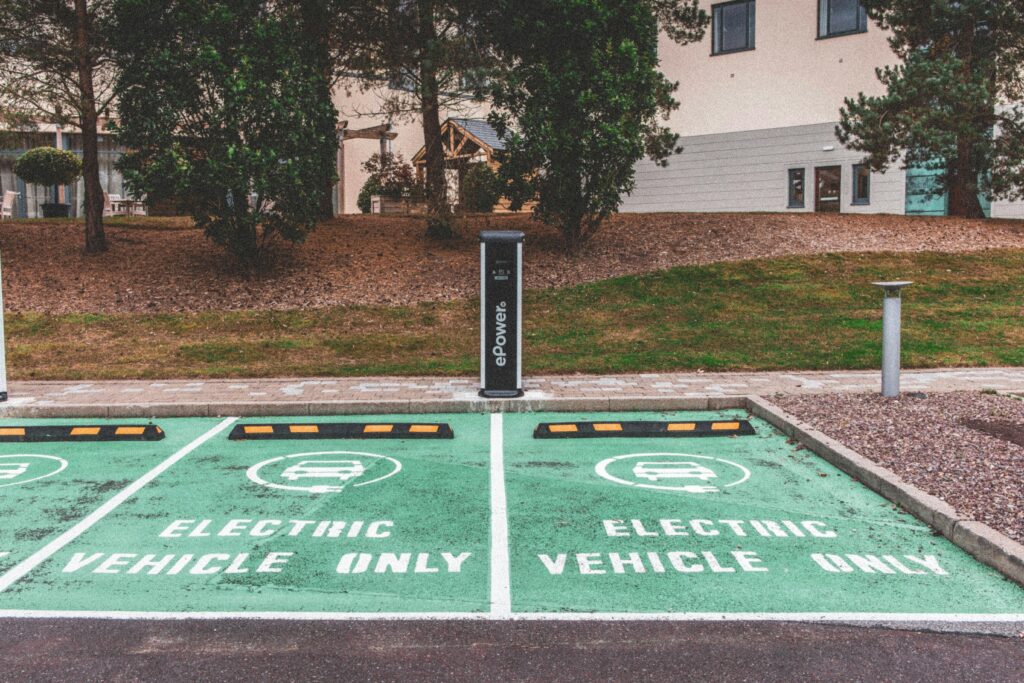
For years, the advice was simple: “Don’t buy an electric car unless you have a garage.”
In 2026, that advice is officially obsolete.
Between widespread workplace charging, chargers at grocery stores and gyms, faster public fast-charging, and the universal adoption of the NACS plug, owning an EV without a home charger isn’t just possible—it’s becoming normal. You don’t need a garage. You just need a different routine.
For many apartment dwellers, EV ownership isn’t about perfection or convenience at home—it’s about fitting charging into the life you already live.
The “Garage Gap”
If you live in an apartment, condo, or rely on street parking, you’ve probably felt left out of the EV conversation.
Most ads still show a homeowner plugging into a wall-mounted charger in a spotless garage. That image quietly suggests that EVs are only for people with driveways, spare outlets, and cooperative homeowners’ associations.
But millions of people don’t live that way.
The good news is that by 2026, charging infrastructure has finally caught up to urban reality. You can bridge the “Garage Gap” using three practical strategies that real EV owners use every day.
1. The “Errand Top-Up” (Charging While You Shop)
Charging in 2026 isn’t limited to dedicated stations. It’s woven into daily life.
Instead of the old gas-car mindset—wait until empty, then stop everything to refuel—urban EV owners think in small, invisible top-ups.
The Routine: You plug in at a Level 2 charger while you’re already at the grocery store, gym, movie theater, or mall.
The Time: 45–60 minutes.
The Result: You add roughly 20–30 miles of range while doing something you were already planning to do.
For most urban drivers—who average under 30 miles per day—these top-ups mean the car is quietly replenished without ever feeling like a chore.
This is the biggest mental shift: EV ownership without a garage works best when charging fades into the background.
2. Workplace Charging (The New “Home” Charging)
If your workplace offers charging, you’ve effectively replaced a garage.
Charging while your car sits for eight hours is often better than charging at home. There’s no rushing, no unplugging before work, and no competing for outlets.
The Routine: Plug in when you arrive.
The Result: Your car is full by the end of the workday—ready for errands, evenings, or a weekend trip.
For many apartment dwellers, workplace charging becomes their primary energy source, with public charging acting as backup rather than necessity.
3. The “Weekly Fill-Up” (Fast Charging as a Habit)
If you don’t have errand or workplace charging, you can still own an EV by treating fast charging like a weekly appointment.
The Routine: Once a week, stop at a DC fast charger, plug in, and grab a coffee or snack.
The Time: On modern EVs in 2026, most sessions from 10% to 80% take about 15–30 minutes, depending on the car and conditions.
The Result: One stop powers your entire week.
This approach feels the most familiar to gas-car drivers—and while it’s slightly more intentional, it’s still far less frequent than stopping for fuel.
Pro Tip: If you’re buying an EV without a garage, prioritize models that charge quickly rather than obsessing over maximum range. How fast you can add miles back matters more than how many you start with.
Paying, Timing, and Public Charging Etiquette
New EV owners often worry less about where to charge and more about how it works. Here’s the 2026 reality.
Plug & Charge: No Apps, No Cards
In the early days, charging meant juggling multiple apps and accounts. That era is ending.
Most modern EVs now support Plug & Charge. You enter your payment method once in the car’s settings. After that:
- Plug in
- Walk away
- Get billed automatically
It’s often easier than paying at a gas pump.
Idle Fees: Don’t Be a Charger Hog
Public chargers are shared resources, so networks encourage drivers to move along once charging is finished.
How it works:
- When your car finishes charging, you usually get a short grace period (often around 10 minutes).
- After that, an Idle Fee kicks in—commonly $0.50 to $1.00 per minute.
Jargon, Simplified: Think of a charger like a table at a busy coffee shop. It’s fine to sit there while you’re drinking. But once your cup is empty and others are waiting, staying costs extra.
Charge, then move.
Download These 3 Apps Now
- PlugShare (The “Yelp” of Charging): In 2026, this is still the gold standard.[1] It’s a community-driven map where drivers leave reviews and photos.[2][3] Tell your readers: “Check the ‘recent check-ins.’ If the last three people said the charger was broken, don’t waste your time.”
- ChargePoint & Electrify America: These are the big “Gas Station” equivalents.
- A Better Route Planner (ABRP): Essential for long trips. Explain that while Google Maps is getting better, ABRP actually knows how hills and wind will affect your specific car.
Which Routine Fits Your Life?
| Strategy | Best For | Typical Time | Idle Fee Risk |
|---|---|---|---|
| Errand Top-Up | Gym-goers, shoppers | 45–60 minutes | Low |
| Workplace Charging | Office commuters | 8 hours | None |
| Weekly Fast-Fill | No other access | 15–30 minutes | High (stay nearby), Set a timer on your phone. |
Most apartment-based EV owners use a mix of these strategies rather than relying on just one.
Your Secret Weapon: “Right to Charge” Laws
By 2026, many states and provinces have passed Right to Charge legislation.
In many areas, this means a landlord or condo board cannot outright refuse your request to install a charger at your assigned parking space (usually at your expense). They can set reasonable rules—but they can’t simply say “no.”
If you love where you live and want to go electric, it’s worth checking your local tenant and condo laws. You may have more leverage than you think.
The Bottom Line
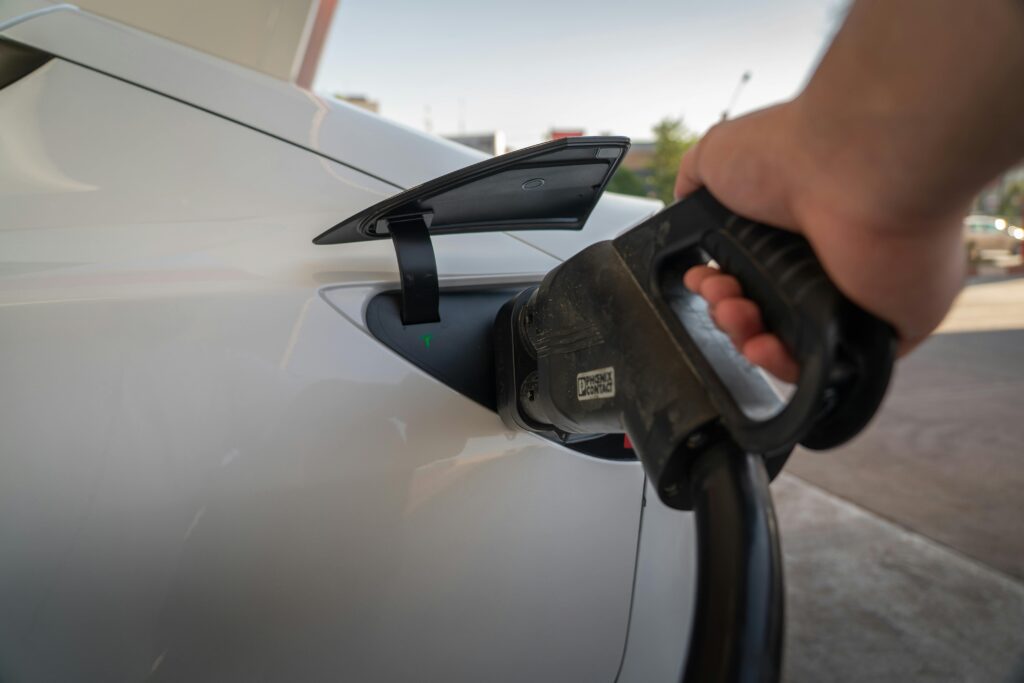
Owning an EV without a garage isn’t a sacrifice—it’s a shift in rhythm.
Instead of one big, smelly stop at a gas station, you get a series of small, clean top-ups while you live your life. Charging becomes something that happens around you, not something you plan your day around.
The garage is optional. The convenience is real.
💬 Let’s Chat Do you live in an apartment or rely on street parking? What’s the biggest thing holding you back from going electric—the landlord, the cost, or simply not knowing where to plug in?
Leave a comment with your general neighborhood, and I’ll help you uncover chargers nearby that you might not even realize are there.
Next Post: The Plug Revolution: A Simple Guide to the Chargers You’ll Actually Use
Pingback: 6. The $12,000 EV: Why China Is Changing Your Next Car Purchase (Even If You Don’t Buy One) - Clarified Understanding